Standard vs Heavy-Duty Hot-Dip Galvanized Cattle Fence: How to Choose for Your Farm?
Key Differences in Durability, Cost & Application to Guide Farm Fencing Decisions
Tony Buy
12/21/20254 min read
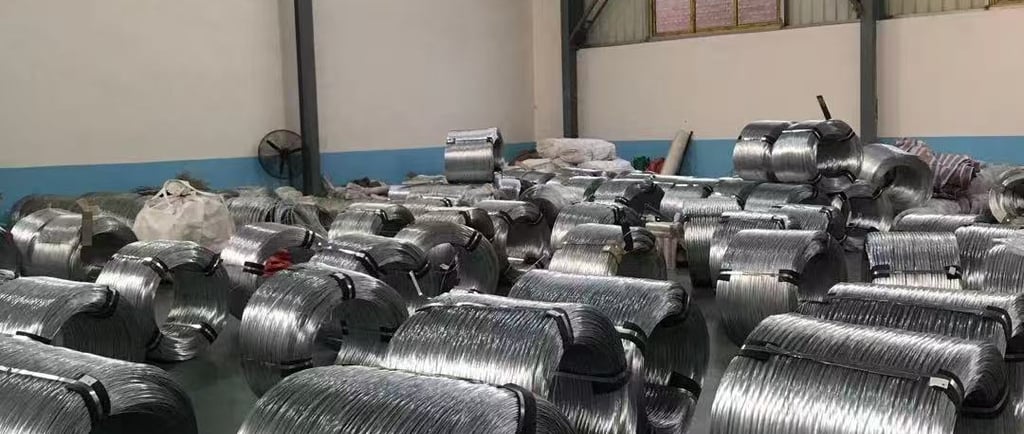
As a farmer, you know that a reliable cattle fence isn’t just an accessory—it’s a cornerstone of your operation. It keeps your herd safe, prevents escapes, and protects your crops or pastures from damage. But when it comes to hot-dip galvanized cattle fences, you’re faced with a key question: Should you go with standard or heavy-duty?
Hot-dip galvanization is a given for most farmers because of its unbeatable rust resistance—critical for withstanding rain, snow, and the wear and tear of cattle. But the “standard” vs. “heavy-duty” distinction can feel overwhelming. To help you make the right call, let’s break down the differences, answer common questions, and match each type to your farm’s unique needs.
First, What’s the Core Difference Between Standard and Heavy-Duty Hot-Dip Galvanized Cattle Fence?
Let’s start with the basics—because understanding the fundamentals makes every decision easier. The primary difference boils down to two key factors: wire gauge (thickness) and galvanization coating weight.
Standard hot-dip galvanized cattle fence typically uses wire gauges between 12 and 14. The galvanization coating weight is usually around 1.8 oz/sq ft (for metric, that’s ~550 g/m²). This is the “entry-level” galvanized fence that works for many basic applications.
Heavy-duty options, on the other hand, use thicker wire—often 9 to 11 gauge. The galvanization coating is also heavier, usually 2.2 oz/sq ft or more (675+ g/m²). This extra thickness and coating make the fence stronger, more durable, and better able to stand up to aggressive cattle or harsh conditions.
But here’s the follow-up question most farmers ask: “Do I really need the heavy-duty upgrade?” Let’s dive into the scenarios where each type shines.
When to Choose Standard Hot-Dip Galvanized Cattle Fence?
Standard galvanized fences aren’t “cheap”—they’re just optimized for specific, less demanding situations. If any of these describe your farm, standard is likely the right fit:
Q: Do you have calm, mature cattle? A: Mature cows (not bulls) or heifers that are docile and used to fencing are gentle on standard fences. They don’t push, rub, or test the fence as aggressively as younger or more temperamental animals. A standard fence can easily contain them for years.
Q: Is your farm in a mild climate? A: If you live in an area with moderate rain, little snow, and no extreme temperature swings, the standard galvanization coating is more than enough to prevent rust. Harsh climates (heavy snow, salt spray near coasts, or frequent freeze-thaw cycles) wear down coatings faster, but mild areas don’t put that stress on the fence.
Q: Are you using the fence for temporary or rotational grazing? A: Rotational grazing means moving fences periodically to fresh pastures. Since the fence isn’t in the same spot year-round (exposed to the same wear), a standard fence can last a long time here. It’s also lighter and easier to handle when setting up and taking down—saving you time and labor.
Q: Is budget a top priority, and do you have small to medium-sized herds? A: Standard fences cost 20-30% less than heavy-duty options. For small herds (fewer than 50 cattle) or hobby farms where fencing costs need to stay low, standard galvanized is a practical, long-lasting choice that doesn’t sacrifice quality.
When to Upgrade to Heavy-Duty Hot-Dip Galvanized Cattle Fence?
Heavy-duty is an investment—but it pays off in situations where standard fences would fail or need frequent repairs. Ask yourself these questions to see if you need the upgrade:
Q: Do you have bulls, young calves, or aggressive breeds? A: Bulls are strong and often test fences by pushing or leaning on them. Calves are curious and may rub or try to squeeze through, putting extra stress on the wire. Aggressive breeds (like some beef cattle varieties) are also harder on fencing. The thicker wire of heavy-duty fences resists bending and breaking, even under this pressure.
Q: Is your farm in a harsh environment? A: If you deal with heavy snow (which can weigh down and bend fences), coastal salt spray (which accelerates rust), or extreme heat/cold (which weakens standard wire), the heavier galvanization coating and thicker wire of heavy-duty fences are non-negotiable. They’ll resist rust and corrosion for 20+ years, while standard fences might start failing in 10-15.
Q: Are you installing a permanent perimeter fence? A: Perimeter fences are the first line of defense for your farm—they keep cattle in and predators out. You don’t want to replace or repair them every few years. Heavy-duty fences are built for permanent use; they can withstand decades of wear without losing structural integrity. This is especially important if your perimeter borders roads, forests, or other high-traffic areas.
Q: Do you have large herds or high-value cattle? A: For commercial farms with 100+ cattle or high-value breeding stock, the cost of a fence failure (escaped cattle, injuries, crop damage) is far higher than the extra cost of heavy-duty fencing. It’s a proactive way to avoid costly headaches down the line.
Key Bonus Considerations: Installation and Long-Term Cost
Even if you’ve narrowed it down based on your herd and climate, there are two more factors to keep in mind:
Installation: Heavy-duty fences are heavier, so they require more labor to install—you may need extra help or specialized tools. Standard fences are lighter and easier to handle, making DIY installation feasible for many farmers.
Long-term cost: While heavy-duty costs more upfront, it lasts longer (25-30 years vs. 10-15 for standard) and needs fewer repairs. Over time, the total cost of ownership is often lower. Standard fences are cheaper upfront but may require replacement sooner if you’re in a harsh environment or have aggressive cattle.
Final Decision Guide: Let’s Sum It Up
Choose standard hot-dip galvanized if: - You have calm, mature cattle - Your farm is in a mild climate - You need temporary/rotational fencing - You have a small herd or tight budget
Choose heavy-duty hot-dip galvanized if: - You have bulls, calves, or aggressive breeds - You’re in a harsh climate (snow, salt, extreme temps) - You need a permanent perimeter fence - You have a large herd or high-value cattle
At the end of the day, the best fence is the one that fits your farm’s unique needs. Hot-dip galvanization ensures rust resistance no matter which you choose—so your decision comes down to strength, durability, and how much wear and tear the fence will face.
Still unsure? Ask your local farm supply store for recommendations based on other farms in your area—they’ll know which type holds up best in your specific climate and for your type of cattle.
OUR ADDRESS
Barkargaten 66,
814 17 Skutskar
CONTACT US
WORKING HOURS
Thursday - Saturday
18:00 - 03:00