Cattle Fence Net: Hot-Dip Galvanized vs. Electro-Galvanized Wire? A Complete Guide to Choosing the Right One Without Mistakes!
The Data-Driven Handbook to Galvanized Cattle Fencing.
Tony Buy
12/21/20254 min read
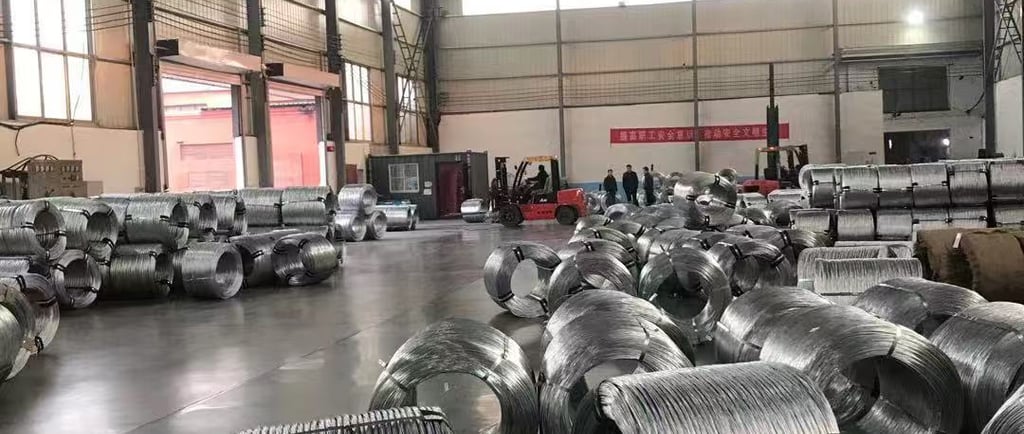
For friends in cattle/livestock farming, when choosing cattle fence nets, one question is likely to cause hesitation: among galvanized wire materials, how should one choose between standard galvanized and high-grade galvanized? What's the price difference? Which type is more suitable for one's specific farming scenario?
This blog post will thoroughly explain the galvanized wire materials for cattle fence nets using a "Q&A + data" format—covering material differences, price variations, and selection techniques. It's all practical info, easy for beginners to understand!
I. First, Understand the Core: Why is Galvanized Wire the Preferred Material for Cattle Fence Nets?
Before discussing standard and high-grade galvanized, let's address the first key question: Why do high-quality cattle fence nets on the market use galvanized wire instead of ordinary iron wire?
The answer is simple: it meets the core needs of livestock scenarios—corrosion resistance, wear resistance, and long service life!
Ordinary iron wire used outdoors will rust and break within 1-2 years, requiring repeated replacements and potentially leading to livestock escape or injury. Galvanized wire, through "hot-dip galvanizing/electro-galvanizing" processes, forms a protective zinc coating on the wire surface. This layer isolates the wire from air, moisture, and corrosive substances in the soil, significantly enhancing the durability of the fence net.
Data Reference: The service life of high-quality galvanized wire cattle fence nets is 3-5 times that of ordinary iron wire nets. In the long-term perspective of farming, this actually saves replacement costs.
II. Key Comparison: What Are the Core Differences Between Electro-Galvanized and Hot-Dip Galvanized Wires?
This is the question of greatest concern! All our cattle fence nets use galvanized wire, offering two options: "electro-galvanized (standard galvanized)" and "hot-dip galvanized (high-grade galvanized)". The core differences between them are concentrated in 3 dimensions, clearly presented in the table below:
Comparison DimensionElectro-Galvanized (Standard Galvanized) WireHot-Dip Galvanized (High-Grade Galvanized) WireZinc Coating ThicknessRegular thickness: 80-120g/㎡ (primarily electro-galvanizing)Thickened coating: Above 200g/㎡ (primarily hot-dip galvanizing)Corrosion ResistanceSuitable for ordinary outdoor scenarios with dry, well-ventilated conditions; moderate corrosion resistanceSuitable for harsh scenarios like humid/rainy areas, coastal regions, saline-alkali land; strong corrosion resistanceService LifeApproximately 5-8 years in conventional environmentsApproximately 10-15 years or more in harsh environmentsPrice RangeCost-effective option, about 20%-30% cheaper than hot-dip galvanized (price per square meter)High-quality option, higher cost, about 20%-30% more expensive than electro-galvanized
Core Summary: Electro-galvanized wire excels in cost-effectiveness and is suitable for conventional farming scenarios; hot-dip galvanized wire is superior in durability and longevity and is suitable for harsh environments or long-term use requirements. Both materials meet national standards and offer reliable quality.
III. Focus on Practical Matching: 3 High-Frequency Questions, Directly Addressing User Search Needs
Based on current user search habits and data analysis, clearly answering these 3 questions will help you quickly match your needs:
1. What is the specific price difference between electro-galvanized and hot-dip galvanized cattle fence nets?
Taking the common specification of 1.8m height, 2.5mm wire diameter cattle fence net as an example:
Electro-galvanized material unit price: approximately ¥8-12 / square meter.
Hot-dip galvanized material unit price: approximately ¥12-16 / square meter.
(Specific prices vary based on specifications and order quantity.)
Intuitive Example: For a 1000 square meter farming site:
Choosing electro-galvanized costs about ¥8,000 - 12,000.
Choosing hot-dip galvanized costs about ¥12,000 - 16,000.
The price difference is about ¥4,000. However, the service life of hot-dip galvanized can be 5-7 years longer, making it more worry-free in the long run.
2. How should I choose? Just look at the scenario!
✅ When to choose electro-galvanized (standard galvanized):
The farm is located in a dry, low-rainfall inland area.
Planned for short-term use (within 5 years), with possible future adjustments to farming scale.
Limited budget, prioritizing cost-effectiveness, and routine simple maintenance is acceptable.
✅ When to choose hot-dip galvanized (high-grade galvanized):
The farm is located in a humid, rainy southern or coastal region, or a highly corrosive environment like saline-alkali land or swamps.
Long-term, fixed-site farming, hoping to install and use for over 10 years to reduce replacement hassles.
Raising high-value breeds (e.g., beef cattle, dairy cows), requiring more stable and durable protection to avoid losses from fence breakage.
3. Is the quality of both types of cattle fence nets guaranteed?
Absolutely assured! Both electro-galvanized and hot-dip galvanized cattle fence nets are manufactured from high-quality low-carbon galvanized steel wire, undergoing multiple processes like weaving and stretching. The mesh is uniform and the structure is sturdy, effectively resisting impact and tearing from cattle and sheep.
Furthermore, all products comply with relevant industry standards, support quality inspection, and come with comprehensive after-sales service. We provide suitable material and specification recommendations based on your needs to avoid mistake selection.
IV. Content Creation Tips for Better Reach: These 3 Points Make Blog Posts Easier to Be Found
In addition to core content, considering content reach, these creation details are also worth sharing:
Keyword Integration: Naturally incorporate high-frequency user search terms like "cattle fence net galvanized wire," "electro-galvanized cattle fence net," "hot-dip galvanized cattle fence net," "cattle fence net material selection," "cattle fence net price" throughout the text to improve search命中率.
Q&A Structure: Expand using the logic of "what it is - why it matters - how to choose," with each core question as a separate section or subheading. This helps both readers and search systems quickly capture core information.
Data-Driven Expression: Use more specific values (e.g., zinc coating thickness, service life, price range). Compared to vague terms like "very durable" or "cost-effective," this is more persuasive and aligns better with the preference for accurate information.
V. Final Summary: Choose Based on Needs, No Wasted Money!
In reality, there's no absolute "good" or "bad" between electro-galvanized and hot-dip galvanized wire—the key difference is suitability for your specific needs. The core principle for choosing a cattle fence net is: Select based on your farming environment, required service life, and budget.
If you're still unsure which one to choose, feel free to leave a comment or send a private message. Tell me about your farm location, breed type, desired service life, and budget. We'll provide 1-on-1 material recommendations and quotations to help you choose the most suitable cattle fence net!
If you found this content useful, remember to like, bookmark, and share it with farming friends around you who might need it. We'll share more dry knowledge on cattle fence net selection and maintenance in the future!
OUR ADDRESS
Barkargaten 66,
814 17 Skutskar
CONTACT US
WORKING HOURS
Thursday - Saturday
18:00 - 03:00